
What Is Shiatsu Massage: A Complete Guide

Updated: Sep 10
Shiatsu massage is a traditional Japanese therapy that uses finger and thumb pressure along the body’s energy pathways to restore balance, reduce tension, and improve overall well-being. If you’ve ever wondered what is shiatsu massage, how it works, or whether it’s right for you, this guide breaks everything down clearly and simply.
In this comprehensive article, you’ll learn its origins, techniques, benefits, safety tips, and how it compares to other therapies like Swedish massage. Whether you’re new to therapeutic bodywork or looking for an alternative way to manage stress, pain, or fatigue, shiatsu offers a uniquely holistic approach worth exploring.
History & Origins of Shiatsu Massage
Shiatsu massage traces its roots back to early Japanese healing traditions, influenced by both traditional Chinese medicine (TCM) and Japan’s own historic bodywork practices like Anma. Throughout Japan’s history, practitioners believed that the body’s energy - known as qi (chi) - flows through meridians. When this energy becomes blocked, discomfort, pain, or illness may develop.
In the early 20th century, Tokujiro Namikoshi, a Japanese therapist, modernized and formalized these traditional methods. He developed a structured pressure-based technique that laid the foundation for contemporary shiatsu. His work gained national recognition in
Japan and became the first shiatsu style to be medically licensed.
As shiatsu spread globally, it began evolving into different branches. Even today, it maintains its cultural foundation - emphasizing balance, circulation, relaxation, and a deep mind-body connection.
What Is Shiatsu?
To understand what is shiatsu massage, you need to look at both its philosophy and its practice.
Philosophy
Shiatsu is based on the belief that the body has natural energy pathways called meridians. When qi flows smoothly, the body feels healthy and balanced. When the flow is disrupted, symptoms such as muscle tightness, fatigue, anxiety, or digestive issues can arise.
Shiatsu helps restore that energy flow through:
Finger, thumb, and palm pressure
Stretching
Gentle joint rotations
Deep, grounding touch
Full-body balancing techniques
How Shiatsu Is Performed
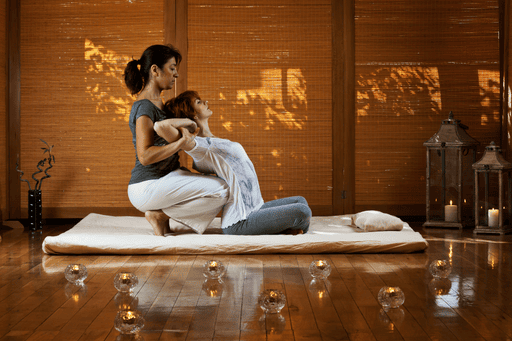
Unlike Swedish massage, shiatsu does not use oils or lotions. Clients remain fully clothed, and sessions are often performed on a mat or futon on the floor, though some modern clinics use massage tables.
A typical session may include:
Slow, sustained pressure on specific points
Palming or rhythmic pressure along meridians
Assisted stretches
Mobilizing joints
Gentle rocking or rhythmic movements
How It Differs From Other Massages
Shiatsu vs. Conventional Massage:
No oils or creams
Pressure-based rather than kneading-based
Energy meridians focus on instead of only muscle tissue
Client fully clothed
Works on both physical and energetic systems
The experience is grounding, meditative, and deeply calming—designed to treat the body as an interconnected system.
Types & Styles of Shiatsu Massage
As shiatsu expanded across Japan, several distinct styles developed. Each style keeps the core philosophy but varies slightly in technique and approach.
1. Namikoshi Shiatsu
Created by Tokujiro Namikoshi
Focuses on anatomically precise points
More Western, therapeutic, and clinical
Emphasizes muscle tension, stiffness, and pain relief
2. Zen Shiatsu
Developed by Shizuto Masunaga
More spiritual and energy-focused
Works deeply along meridians
A holistic mind-body-emotions approach
3. Ohashiatsu
A movement-oriented style
The therapist uses body weight, leaning, and flowing movement
Focuses on connection, breath, and practitioner-client harmony
4. Barefoot Shiatsu (Ashitsu / Barefoot Bar Techniques)
The practitioner uses feet to apply deeper pressure
Ideal for large muscle groups and chronic tension
Always performed by highly trained therapists
Each style provides a different experience, but all aim to promote balance, release tension, and support natural healing.
What to Expect During a Shiatsu Session
If you’re trying shiatsu for the first time, here’s what you can typically expect:
Clothing & Setup
You stay fully clothed in comfortable attire
Session takes place on a futon, mat, or massage table
No oils or lotions are used
During the Session
Your therapist may use:
Thumb and finger pressure
Palm pressure
Stretching
Gentle rotations
Rocking motions
Breathing coordination
Sensations You May Feel
Deep, grounding pressure
Mild stretching
Release of tightness
Warmth
Relaxation
In some cases, temporary mild soreness (similar to deep tissue massage)
Session Length
Usually 45 to 90 minutes
Overall, most clients describe shiatsu as deeply relaxing, centering, and restorative.
Benefits of Shiatsu Massage
Shiatsu offers a blend of physical, mental, and energetic benefits.
Here are some of the most widely recognized advantages:
Physical Benefits
Reduces muscle tension and stiffness
Relieves back, neck, and shoulder pain
Improves mobility and flexibility
Helps with headaches and migraines
Encourages better posture
Supports digestive function
Mental & Emotional Benefits
Reduces stress and anxiety
Promotes calmness and mental clarity
Improves sleep quality
Supports emotional balance
Holistic & Energetic Benefits
Encourages qi flow along meridians
Enhances circulation
Promotes lymphatic movement
Balances internal energy
Whether you’re dealing with physical symptoms or simply seeking deeper relaxation, shiatsu provides both therapeutic and holistic support.
Risks & Safety Considerations
Shiatsu is considered safe for most healthy adults, but it’s important to be aware of certain precautions.
Use Caution If You Have:
Osteoporosis or fragile bones
Recent fractures
Open wounds or bruised areas
Severe cardiovascular conditions
Active infections
Cancer (consult physician first)
Pregnant clients should always inform the therapist, as certain pressure points must be avoided.
Above all, choose a certified and trained practitioner to ensure treatment is performed safely and effectively.
Shiatsu vs Other Massages
Understanding how shiatsu compares to other therapies helps you decide which one is right for you.
Shiatsu vs Swedish Massage
Although both techniques aim to promote relaxation and relieve tension, they differ significantly in approach, philosophy, and sensation.
Swedish Massage
Swedish massage is one of the most common Western massage styles. It focuses primarily on muscles and soft tissues to promote relaxation and improve blood circulation. Therapists typically use:
Massage oils or lotions
Long, gliding strokes (effleurage)
Kneading movements (petrissage)
Rhythmic tapping (tapotement)
Gentle joint mobilization and stretching
Swedish massage is ideal for people looking for:
Stress reduction
Relief from general muscle tension
Improved circulation
A soothing, spa-like experience
Shiatsu Massage
Shiatsu, on the other hand, does not use oils. It is performed fully clothed and focuses on:
Applying finger, thumb, and palm pressure
Stimulating energy pathways (meridians)
Balancing the body’s qi (energy flow)
Combining pressure points with gentle stretches and rhythmic movements
Shiatsu is ideal for individuals seeking:
Whole-body balance
Energy alignment
Relief from tension, stiffness, or fatigue
A more holistic, mindful treatment experience
In short:
Swedish = Muscle relaxation + oil-based techniques
Shiatsu = Energy balancing + deep pressure along meridians (no oils)
Shiatsu vs Acupuncture
Shiatsu and acupuncture share a similar foundation in Traditional Chinese Medicine, but the tools and methods they use are very different.
Acupuncture
Acupuncture involves inserting very thin, sterile needles into specific meridian points to stimulate the body’s healing response. It aims to:
Regulate qi flow
Reduce pain
Improve organ function
Address chronic conditions such as headaches, anxiety, or digestive issues
Acupuncture sessions are usually performed on a treatment table, and the needles are left in place for about 15–30 minutes while the client rests.
Shiatsu Massage
Shiatsu is needle-free, using finger and palm pressure instead of needles to stimulate the same meridian points. The practitioner uses rhythmic pressure, stretches, and supported movements to encourage natural energy flow.
Shiatsu may be especially appealing for people who want:
Holistic benefits without needles
A hands-on approach
Relaxation combined with therapeutic pressure
Both shiatsu and acupuncture can help with:
Pain management
Stress and anxiety reduction
Headaches and migraines
Fatigue
Digestive issues
Overall energy balance
Key difference:
Acupuncture = Needles
Shiatsu = Manual pressure
Tui Na is Chinese and more intense
Anma is a traditional Japanese massage (precursor to shiatsu)
Shiatsu blends modern anatomy with energy theory
Each modality offers unique benefits, but shiatsu delivers a distinct combination of grounding pressure, breath awareness, and energetic balance.
How to Choose a Shiatsu Therapist
To get the best results, choose a practitioner who is trained and certified.
What to Look For:
Credible certification or RMT license
Experience with shiatsu techniques
Specialization in pain relief, stress reduction, or holistic care
Knowledge of meridians and energy theory
A clean, professional environment
Before Your Session:
Wear loose, comfortable clothing
Avoid eating a heavy meal
Share your health history and any discomfort areas
Ask what style of shiatsu they use
A trained therapist adjusts pressure according to your comfort level, ensuring a safe, therapeutic experience.
Conclusion
Shiatsu massage is a powerful form of bodywork that blends traditional Japanese healing principles, modern anatomical knowledge, and energy-balancing techniques. This gentle yet effective therapy helps ease physical tension, calm the mind, and restore overall balance - making it a popular choice for those seeking a holistic approach to wellness.
If you’re interested in experiencing the benefits of shiatsu massage, it’s best to connect with a certified shiatsu practitioner who can guide you through a personalized, safe, and supportive session.
While RMT Movement does not currently offer shiatsu massage, our team remains committed to promoting holistic health education and helping clients make informed choices about their wellness journey. We encourage you to explore shiatsu with a trained specialist if this therapy aligns with your needs.
For all other therapeutic massage and wellness services, our registered practitioners at RMT Movement are here to support your comfort, recovery, and overall well-being.
About the Author
Lee Grand-champ is a Registered Massage Therapist and Humber College Instructor with expertise in therapeutic massage, pain management, and injury prevention. He is skilled in deep tissue massage, electro-acupuncture (MPS Therapy), cupping therapy, sports therapy, and low-level laser therapy. With a strong commitment to ongoing education, Lee helps patients understand their treatment options and supports their comfort, mobility, recovery, and overall wellness through personalized massage therapy care.


Từ quá trình tìm hiểu cách các nền tảng giải trí xây dựng giao diện, cm88 để lại cho mình cảm giác khá rõ ràng trong cách phân nhóm nội dung. Các chuyên mục nổ hũ, xổ số, bắn cá và thể thao được sắp xếp riêng giúp việc tiếp cận từng khu vực nhanh hơn. Mình nhận thấy bố cục tổng thể có sự cân đối, các thông tin quan trọng không bị dồn vào một điểm. Trong lúc trải nghiệm thử nổ hũ và bắn cá, tốc độ tải khá ổn định, phản hồi thao tác diễn ra đều. Cách chuyển đổi giữa những chuyên mục khá mượt, đồng thời vị trí chức năng dễ ghi nhớ.
Khi mình nghiên cứu cách các nền tảng giải trí trực tuyến cải thiện trải nghiệm người dùng, go88 cho mình ấn tượng nhờ cách kết hợp nhiều nội dung trong cùng một hệ thống. Mình nhận thấy các mục casino, thể thao, slot game và bắn cá đều được bố trí theo từng khu vực dễ quan sát. Cách sắp xếp này giúp mình nhanh chóng tiếp cận những sản phẩm quan tâm mà không phải mất thời gian tìm hiểu quá lâu. Mình đánh giá giao diện có sự cân bằng giữa sự đa dạng và tính dễ sử dụng. Sau một thời gian trải nghiệm, mình thấy nền tảng có độ ổn định tốt, thao tác chuyển đổi…
Trong quá trình theo dõi các nền tảng giải trí trực tuyến, topclub cho mình góc nhìn khá rõ về cách phân chia nội dung. Casino trực tuyến, thể thao, bắn cá và game bài được bố trí thành từng khu vực riêng, giúp việc tìm kiếm trở nên thuận tiện hơn. Mình nhận thấy giao diện có bố cục khá cân đối, các chuyên mục chính dễ nhận biết và thao tác chuyển đổi diễn ra tự nhiên. Khi sử dụng thực tế, hệ thống phản hồi nhanh, dữ liệu hiển thị ổn định và quá trình chuyển trang khá mượt. Nổ hũ, xổ số cùng casino live cũng được sắp xếp rõ ràng, tạo thêm nhiều lựa chọn khi…
Khi sử dụng nền tảng trên máy tính trong thời gian dài, tôi nhận thấy go88 tận dụng không gian hiển thị khá hiệu quả. Các khu vực nội dung được sắp xếp theo chiều ngang và chiều dọc cân đối, giúp người dùng quan sát nhiều thông tin cùng lúc mà không thấy chật chội. Những mục như game bài, casino trực tuyến, bắn cá và nổ hũ được phân tầng hợp lý, tạo cảm giác rõ ràng khi đọc và thao tác. Trong quá trình chuyển đổi giữa các trang, hệ thống phản hồi ổn định và ít xuất hiện độ trễ. Tổng thể mang lại trải nghiệm thoáng hơn, dễ theo dõi và phù hợp với thói quen…
Sau nhiều lần truy cập 23win nhà cái hàng đầu châu á trên điện thoại và máy tính, mình nhận thấy nền tảng duy trì được sự đồng bộ trong cách hiển thị với các khu vực như casino trực tuyến, thể thao, bắn cá và xổ số. Các danh mục được phân bổ theo từng nhóm riêng giúp người dùng dễ dàng nhận biết vị trí nội dung mà mình quan tâm. Trong lúc thao tác mình thử casino trực tuyến và bắn cá thì hệ thống phản hồi khá ổn định, tốc độ chuyển đổi giữa các khu vực diễn ra liền mạch. Cách bố trí thông tin theo từng lớp cũng hỗ trợ việc điều hướng thuận tiện…