
Red Light Therapy for Rosacea: Does It Help?

Updated: Aug 20
Rosacea is a chronic inflammatory skin condition that causes persistent facial redness, flushing, visible blood vessels, and sometimes acne like bumps. For many people, flare ups can be unpredictable and emotionally distressing. As awareness grows around non invasive skin therapies, red light therapy for rosacea has gained attention as a gentle and supportive treatment option.
Research suggests that specific wavelengths of red light may help calm inflammation, strengthen the skin barrier, and reduce visible redness. Many individuals report improvements in skin tone and sensitivity after consistent use. However, it’s important to set realistic expectations red light therapy (RLT) is not a cure for rosacea. Instead, it works best as a complementary approach alongside other rosacea skin treatment options recommended by a professional.
At RMT Movement, we focus on evidence based, non-invasive therapies that support skin health, safely and effectively.
Understanding Red Light Therapy
Red light therapy uses specific LED wavelengths typically between 630 to 850 nanometers to penetrate the skin and stimulate cellular repair. Unlike UV rays from the sun, LED red light does not damage the skin. Instead, it supports natural healing processes at a cellular level.
Often referred to as LED light therapy for rosacea, this treatment is:
Non-invasive
Painless
Free from harmful UV exposure
Safe for sensitive skin when used correctly
Red light therapy works by stimulating mitochondria, the energy producing centers of cells. This boosts cellular activity, helping reduce inflammation and promote healthier skin function. For individuals struggling with redness and irritation, this makes light therapy for redness a promising option.
How Red Light Therapy Works for Rosacea
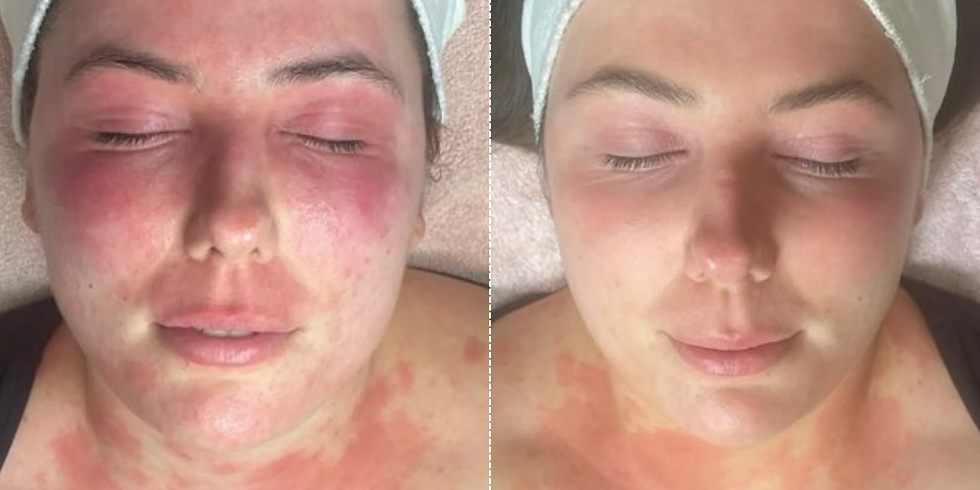
Anti-Inflammatory Effects on Sensitive Skin
One of the main reasons people explore does red light help rosacea is its anti-inflammatory properties. Red light therapy for inflammation helps calm overactive skin responses, reducing redness, irritation, and sensitivity linked to rosacea.
Rosacea prone skin is often hypersensitive. By reducing inflammatory markers, red light may help decrease swelling, discomfort, and persistent flushing.
Boosting Collagen and Skin Barrier Function
A weakened skin barrier makes rosacea symptoms worse. Red light therapy encourages collagen production, which strengthens the skin’s structure and improves resilience. Over time, this may help reduce skin sensitivity and protect against environmental triggers.
Improving Circulation and Redness
Red light can enhance microcirculation in the skin. Improved blood flow supports healing and may help reduce the appearance of dilated blood vessels. This is one way how red light helps rosacea by addressing visible redness more effectively.
How Red Light Reduces Inflammation and Calms the Skin
Reduced Facial Redness
Consistent red light therapy sessions may help visibly reduce redness. While results vary, many users report a more even skin tone after several weeks of treatment.
Fewer Rosacea Flare-Ups
Because red light supports the skin’s natural repair processes, it may lower the frequency and severity of flare-ups when combined with proper skincare and lifestyle management.
Gentle, Non-Invasive Treatment Option
Unlike harsh topical treatments or aggressive procedures, red light therapy is gentle. There is no downtime, making it suitable for individuals seeking a calming and non-invasive rosacea skin treatment option.
Benefits of Red Light Therapy for Rosacea
The red light therapy rosacea benefits include:
Reduces facial redness naturally
Calms inflammation and irritation
Strengthens skin barrier function
Promotes collagen production
Gentle, non-invasive treatment option
No UV damage
For many individuals, the biggest advantage is that it supports skin healing without causing additional irritation something that is especially important for sensitive rosacea-prone skin.
What to Expect From Red Light Treatment
How Long Treatment Takes to Show Results
Results are not immediate. Most people notice improvements after 3-6 weeks of consistent sessions, typically 2-4 times per week. Long-term consistency is key when using red light therapy for rosacea.
Best Light Colors for Your Rosacea Type
Red light (around 630-660 nm) is best for reducing inflammation and stimulating collagen. In some cases, near infrared light may also support deeper tissue repair. Blue light therapy is sometimes used for acne related rosacea, but red light remains the preferred option for reducing redness and inflammation.
Home Devices vs Professional Treatment
At-home LED devices can be effective if used correctly and consistently. However, professional treatments often use higher powered medical grade equipment, delivering more targeted and reliable results. Consulting with a trained provider ensures safe and optimized treatment.
Red Light Therapy Safety & What to Know
Who Should Avoid This Treatment
While generally safe, individuals who:
Are pregnant (consult a healthcare provider first)
Have photosensitivity disorders
Take medications that increase light sensitivity
should seek medical advice before beginning treatment.
How to Use Red Light Safely at Home
Follow manufacturer instructions carefully. Avoid overuse, as longer sessions do not necessarily mean better results. Eye protection is recommended during treatment.
When discussing red light therapy safety, it’s important to note that side effects are rare but may include temporary redness or mild irritation.
Proper Skincare Routine
For best results, combine red light therapy with:
Gentle, fragrance free cleansers
Barrier repair moisturizers
Daily mineral sunscreen
Avoidance of harsh exfoliants
Healthy skincare enhances the effectiveness of light therapy for redness.
Other Ways to Manage Your Rosacea
Daily Skincare That Won’t Irritate
Choose calming ingredients like niacinamide, ceramides, and hyaluronic acid. Avoid alcohol based products and strong fragrances.
Common Triggers to Avoid
Rosacea triggers vary but commonly include:
Spicy foods
Alcohol
Extreme temperatures
Stress
Sun exposure
Managing these triggers is essential for long-term improvement.
When to Consider Professional Help
If symptoms are severe or worsening, consult a dermatologist. Prescription medications, laser therapy, or combination treatments may be recommended alongside red light therapy for rosacea.
Conclusion
So, does red light therapy for rosacea really work? Yes, red light therapy can help reduce facial redness, calm inflammation, and support a healthier skin barrier especially when combined with a gentle skincare routine and proper trigger management. While it may not “cure” rosacea, it plays a powerful supportive role in improving skin comfort and appearance over time.
For safe and effective results, consider working with trained professionals who understand sensitive, rosacea-prone skin and can tailor treatments to your needs.
Looking for professional Red light therapy in Brampton?
Book a session with RMT Movement and experience personalized red light therapy designed to calm flare-ups, reduce redness, and restore your skin’s natural glow.
About the Author
Jonathan Grandchamp, CPT is an ISSA Certified Personal Trainer and Strength and Conditioning Coach at RMT Movement. With over 12 years of athletic experience, he brings expertise in strength, movement, conditioning, and performance. Jonathan takes a personalized approach to coaching, helping clients understand their training while improving mobility, fitness, confidence, and overall wellness through practical and effective exercise strategies.
Frequently Asked Questions
Does red light therapy really help rosacea?
Yes, red light therapy may help reduce inflammation and visible redness associated with rosacea. While not a cure, it can be an effective complementary treatment when used consistently.
How often should I use red light therapy for rosacea?
Most individuals benefit from 2–4 sessions per week for several weeks. Long-term maintenance treatments may be needed to sustain results.
Is red light therapy safe for sensitive skin?
Yes, when used correctly, red light therapy is considered safe and gentle for sensitive skin. Always follow safety guidelines and consult a professional if unsure.
Can I use red light therapy with other rosacea treatments?
In many cases, yes. It can complement topical medications and professional treatments. Speak with a healthcare provider to ensure compatibility.
Are there any side effects of red light therapy?
Side effects are rare but may include mild temporary redness or irritation. Proper usage reduces the likelihood of adverse reactions.
Which is better, red or blue light therapy?
Red light therapy is typically better for reducing inflammation and redness, while blue light is more suited for acne-related concerns. For rosacea, red light is generally preferred.


While some games are only made to make you chuckle, others could improve your rhythm. Geometry Dash Lite is unquestionably in the second group.