
How to Fix Facial Asymmetry Naturally?

If you've ever looked in the mirror and noticed that one side of your face appears slightly different from the other, you're not alone. Nearly everyone has some degree of facial asymmetry. In fact, perfect facial symmetry is extremely rare. Small differences in the size, shape, or position of facial features are considered a normal part of human anatomy.
However, when facial asymmetry becomes more noticeable, it may raise concerns about appearance, comfort, or underlying health issues. In some cases, asymmetry of the face can develop due to muscle imbalances, temporomandibular joint (TMJ) disorders, poor posture, dental problems, injuries, or certain medical conditions.
Many people searching for how to fix facial asymmetry naturally are looking for ways to improve facial balance without invasive procedures. While some cases can benefit from lifestyle changes, posture correction, and targeted therapies, the most effective treatment depends on the root cause of the asymmetry.
Understanding why facial asymmetry occurs is the first step toward finding the most appropriate solution.
What is Facial Asymmetry?
Facial asymmetry refers to a condition in which the two sides of the face do not perfectly mirror one another. This can involve differences in the eyes, eyebrows, cheeks, jawline, lips, or overall facial structure.

Natural vs. Significant Asymmetry
Mild facial asymmetry is common and considered normal. However, significant asymmetry may affect appearance, jaw function, or chewing ability and may require professional evaluation.
Why Perfect Facial Symmetry Rarely Exists
Perfect facial symmetry is rare. Genetics, growth patterns, facial expressions, and daily habits naturally create small differences between the two sides of the face.
How Facial Asymmetry Develops Over Time
Factors such as aging, posture, jaw dysfunction, teeth alignment, and habits like jaw clenching or chewing on one side can make facial asymmetry more noticeable over time.
What Causes Facial Asymmetry?
Facial asymmetry can develop for several reasons. Identifying the underlying cause is important when determining the most appropriate treatment.
Genetics and Natural Development
Natural variations in facial growth, jaw alignment, and facial structure can lead to mild asymmetry from birth.
TMJ Disorders
TMJ dysfunction can affect jaw movement and muscle balance, contributing to facial asymmetry. Common symptoms include jaw pain, clicking, headaches, and limited jaw movement.
Muscle Imbalances
Jaw clenching, repetitive facial movements, or favoring one side of the face can create uneven muscle development and facial imbalance.
Poor Posture
Forward head posture and poor spinal alignment can place extra stress on the jaw and facial muscles, affecting facial symmetry over time.
Dental Problems
Bite issues, missing teeth, overcrowding, and improper dental alignment can influence jaw positioning and facial balance.
Injury or Trauma
Facial injuries may alter bone structure, muscle function, or soft tissue alignment, leading to noticeable asymmetry.
Neurological Conditions
Certain neurological disorders can affect facial muscles and nerve function, causing facial weakness, drooping, or uneven facial movement.
Can Facial Asymmetry Be Fixed?
Yes, facial asymmetry can often be improved, but treatment depends on its cause and severity. Mild asymmetry is normal and may not require treatment, while issues related to TMJ dysfunction, muscle imbalances, bite problems, or jaw pain may benefit from professional care.
Realistic Expectations
The goal of treatment is not perfect symmetry but to:
Improve function
Reduce discomfort
Address underlying causes
Enhance overall facial balance
Importance of Professional Assessment
A proper assessment helps identify the root cause of facial asymmetry and guides the most effective treatment plan. Depending on the cause, care may involve physiotherapy, TMJ therapy, dental treatment, or other specialized interventions.
How to Fix Facial Asymmetry Naturally
People searching for how to naturally fix facial asymmetry are often interested in non-invasive strategies. While results vary depending on the cause, certain habits may help support improved facial balance and muscle function.
Improve Posture
Good posture promotes proper alignment of the head, neck, and jaw.
Tips include:
Keeping your ears aligned over your shoulders
Avoiding prolonged forward head posture
Adjusting workstation ergonomics
Performing posture correction exercises
Improved posture may reduce unnecessary strain on facial and jaw muscles.
Address Jaw Habits
Certain habits can contribute to uneven facial muscle development.
Examples include:
Resting your chin on one hand
Clenching your jaw
Grinding your teeth
Frequently chewing gum
Reducing these habits may help decrease muscle tension and jaw stress.
Balance Chewing Patterns
Many people habitually chew on one side of the mouth. Over time, this can create uneven muscle development and increased strain on one side of the jaw.
Making a conscious effort to alternate chewing sides may help encourage more balanced muscle activity.
Manage TMJ Symptoms
Since TMJ dysfunction is commonly associated with facial asymmetry, managing jaw symptoms can be beneficial.
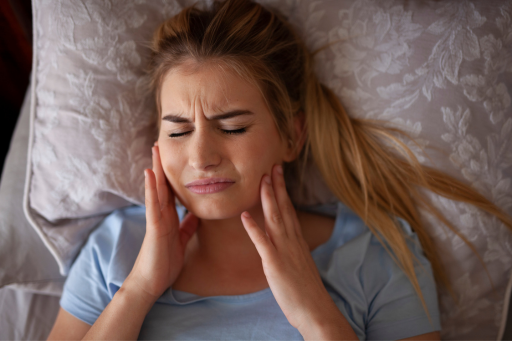
Strategies may include:
Jaw relaxation exercises
Stress management techniques
Avoiding excessive jaw strain
Applying heat therapy when appropriate
Early intervention may help prevent worsening jaw-related asymmetry.
Reduce Muscle Tension
Excessive tension in the jaw, neck, and facial muscles can contribute to asymmetrical movement patterns.
Massage therapy, stretching exercises, and relaxation techniques may help reduce muscle tightness and improve overall muscle balance.
Facial Awareness Training
Many individuals are unaware of habits that contribute to facial imbalance. Paying attention to facial expressions, chewing patterns, posture, and jaw positioning throughout the day may help identify behaviors that affect symmetry.
Developing awareness often serves as the foundation for creating healthier movement patterns and reducing unnecessary strain on facial structures.
Connection Between TMJ Disorders and Facial Asymmetry
The temporomandibular joints (TMJs) control jaw movement and play an important role in facial balance. When these joints do not function properly, they can contribute to facial asymmetry by affecting jaw alignment and muscle activity.
How Jaw Dysfunction Affects Facial Muscles
When one side of the jaw works harder than the other, it can lead to:
Increased muscle tension
Uneven facial movement
Jaw discomfort and fatigue
Changes in facial appearance
Uneven Muscle Development
Chronic TMJ dysfunction, jaw clenching, or chewing on one side can cause some facial muscles to become overdeveloped while others weaken, making asymmetry more noticeable.
Bite Changes
TMJ disorders can affect bite alignment, which may alter jaw positioning and contribute to uneven facial proportions.
Chronic Clenching and Grinding
Teeth grinding and jaw clenching place extra stress on facial muscles and joints. Over time, this can enlarge jaw muscles and create a more prominent appearance on one side of the face.
Professional Treatment Options for Facial Asymmetry
When natural strategies alone are not enough, professional treatment may help address the underlying causes of facial asymmetry. The most appropriate option depends on the severity of the condition and the factors contributing to it.
May help when facial asymmetry is related to posture, muscle imbalances, TMJ dysfunction, or neck issues.
Postural correction
Manual therapy
Jaw mobility exercises
Muscle retraining
Strengthening and stretching programs
Targets dysfunction in the jaw joints and surrounding muscles.
Jaw exercises
Manual therapy
Muscle relaxation techniques
Bite education
Lifestyle modifications
Dental and Orthodontic Treatment
Recommended when asymmetry is caused by bite or dental alignment issues.
Orthodontic braces
Clear aligners
Bite correction therapies
Dental restorations
Botox and Injectables
May help reduce overactive jaw or facial muscles caused by clenching, grinding, or muscle imbalances.
Facial Fillers
Can improve facial balance by addressing volume differences between the two sides of the face.
Surgical Correction
Considered for significant structural asymmetry involving the jaw or facial bones.
Jaw alignment abnormalities
Facial bone asymmetry
Congenital conditions
Trauma-related changes
When Should You Seek Professional Help?
While mild facial asymmetry is common, certain symptoms may indicate the need for professional assessment.
Sudden Facial Changes: Rapid or unexpected facial asymmetry may indicate an underlying medical or neurological condition.
Painful Jaw Symptoms: Ongoing jaw pain, clicking, locking, or difficulty moving the jaw may be signs of TMJ dysfunction.
Difficulty Chewing: Problems with chewing, biting, speaking, or jaw movement may require professional evaluation.
Facial Weakness: Facial drooping, weakness, or difficulty controlling facial expressions should be assessed promptly.
Progressive Asymmetry: Facial asymmetry that becomes more noticeable over time may indicate an underlying issue that needs treatment.
Conclusion
Facial asymmetry is common, and nearly everyone has slight differences between the two sides of their face. In most cases, these variations are natural, subtle, and do not require treatment.
However, more noticeable facial asymmetry may be linked to TMJ disorders, muscle imbalances, poor posture, dental issues, injuries, or other underlying conditions. Identifying the root cause is important for determining the most effective treatment approach.
Natural strategies such as improving posture, managing jaw tension, and correcting chewing habits may help improve facial balance. If asymmetry is accompanied by pain, jaw dysfunction, or progressive changes, professional assessment is recommended. At RMT Movement, our team can help identify contributing factors and recommend appropriate physiotherapy or TMJ-focused treatment options.
Frequently Asked Questions
Is facial asymmetry normal?
Yes, mild facial asymmetry is completely normal. Most people have slight differences between the two sides of their face that are rarely noticeable.
Can facial asymmetry be corrected?
Facial asymmetry can often be improved depending on its cause. Treatment options vary and may include physiotherapy, TMJ therapy, dental treatment, or surgery.
Do facial exercises work for facial asymmetry?
Facial exercises may improve muscle awareness and coordination. However, they are generally less effective for correcting structural or dental-related asymmetry.
When should facial asymmetry be evaluated?
Seek professional evaluation if facial asymmetry appears suddenly, worsens over time, causes pain, affects chewing, or involves facial weakness.
Do facial exercises really work for facial asymmetry?
Facial exercises may help improve muscle balance and posture-related concerns. Results vary and are often best when combined with professional treatment.
Can TMJ cause facial asymmetry?
Yes, TMJ disorders can affect jaw alignment, muscle development, and bite function, potentially contributing to facial asymmetry over time.
Does poor posture affect facial symmetry?
Poor posture can alter jaw positioning and increase muscle tension. Over time, these changes may contribute to facial imbalance and asymmetry.
Can sleeping on one side cause facial asymmetry?
Consistently sleeping on one side may influence soft tissues and muscle patterns, but it is rarely the sole cause of significant asymmetry.
Can physiotherapy help with facial asymmetry?
Physiotherapy may help address posture issues, muscle imbalances, and TMJ dysfunction that contribute to facial asymmetry and movement restrictions.
How long does it take to improve facial asymmetry?
Improvement timelines vary by cause and treatment approach. Some people notice changes within weeks, while others require several months.
What is the best treatment for facial asymmetry?
The best treatment depends on the underlying cause. Physiotherapy, TMJ therapy, dental correction, injectables, or surgery may be recommended.


La información sobre loterías puede resultar confusa cuando está repartida entre muchas páginas. Por eso, considero útil contar con recursos que agrupen los datos de forma sencilla y ordenada. Loteriapedia puede servir como punto de referencia para consultar información y comprender mejor cómo funcionan los distintos sorteos.
This platform stands out because of its user-friendly design and responsive performance. Everything is arranged in a clear and logical way, making it simple to move between different sections. The clean interface adds to the overall experience, creating a pleasant environment for anyone using the platform.
Goa game
From the thrilling world of Slope Unblocked, where there are more enemies and allies than simply gravity, greetings.